Looking Deeper: Emerging Concepts
by Hayata Takeshita
This series uses recognizable images from art, popular culture, and the world of familiar objects as points of departure, then moves beyond recognition to where new meaning begins.
Through pinhole photography, image transfer, time, and transformation, each piece evolves under constraint. Concepts emerge through the act of making rather than being predetermined.
“Paradigms, Aqueous”, “Twenty Flashes, Blue, Aqueous” and “Five Flashes, Yellow, Aqueous“ at Mixed Media Narratives, Alternative Photographic Arts Group exhibition, Mayo Performing Arts Center, Starlight Gallery, September 8 to October 4, 2026
“Rebalanced, Fused” at Members Exhibit, Visual Arts Center of New Jersey, September 3 to September 11, 2026
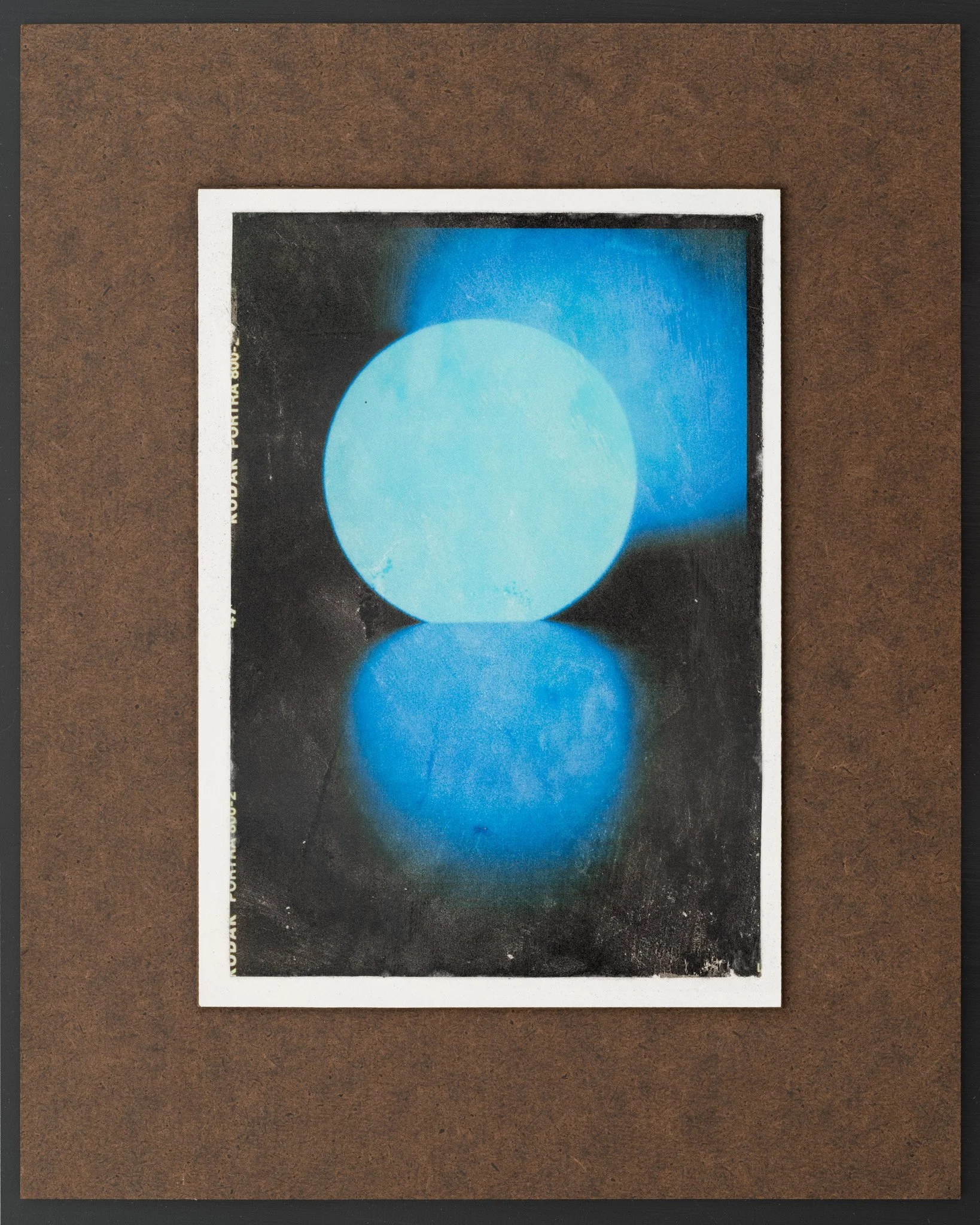
Orb: Twenty Flashes, Blue, Aqueous (Pigment Ink Transfer to Board)
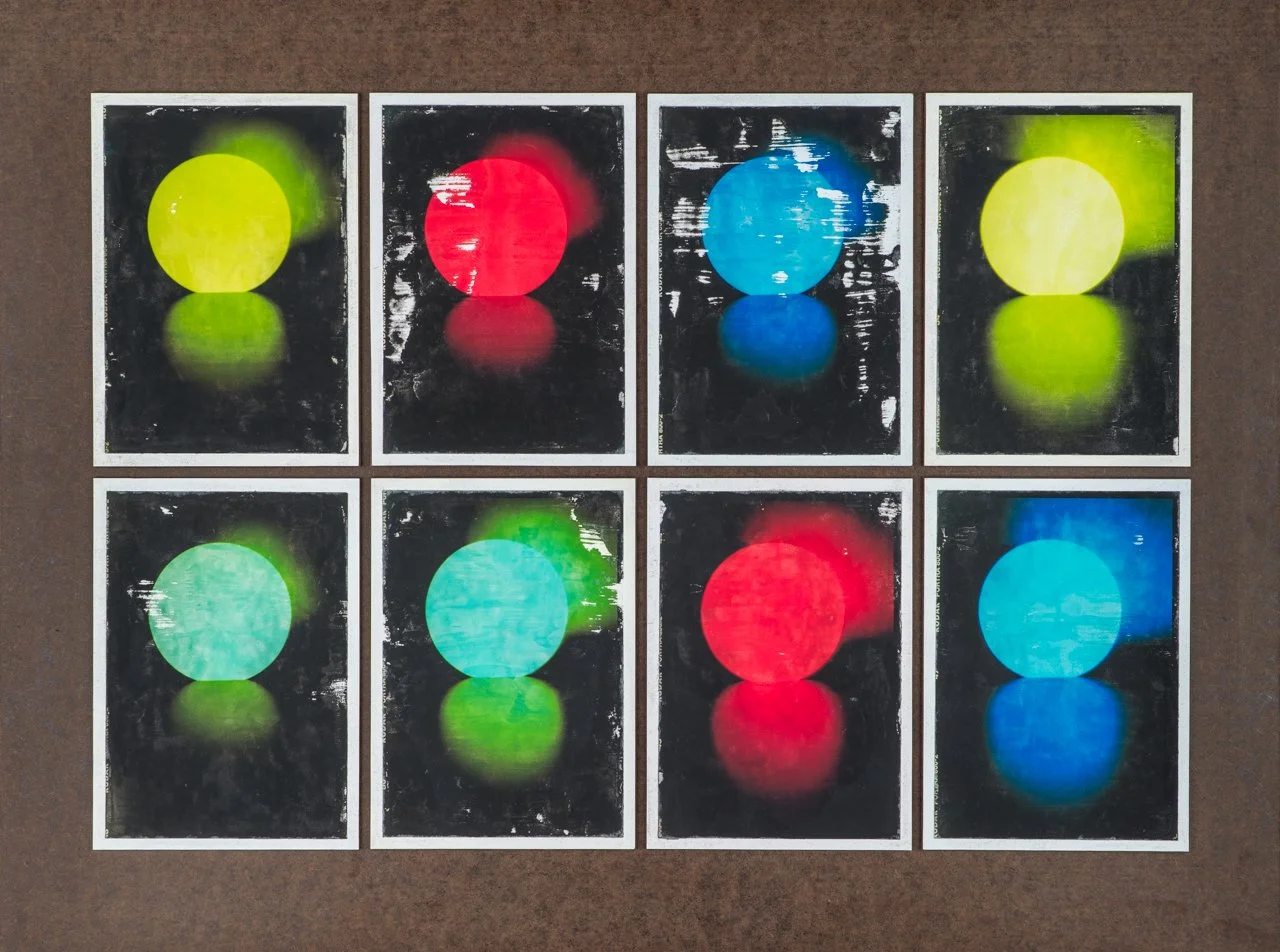
Orbs: Paradigms, Aqueous (Pigment Ink Transfers to Board)
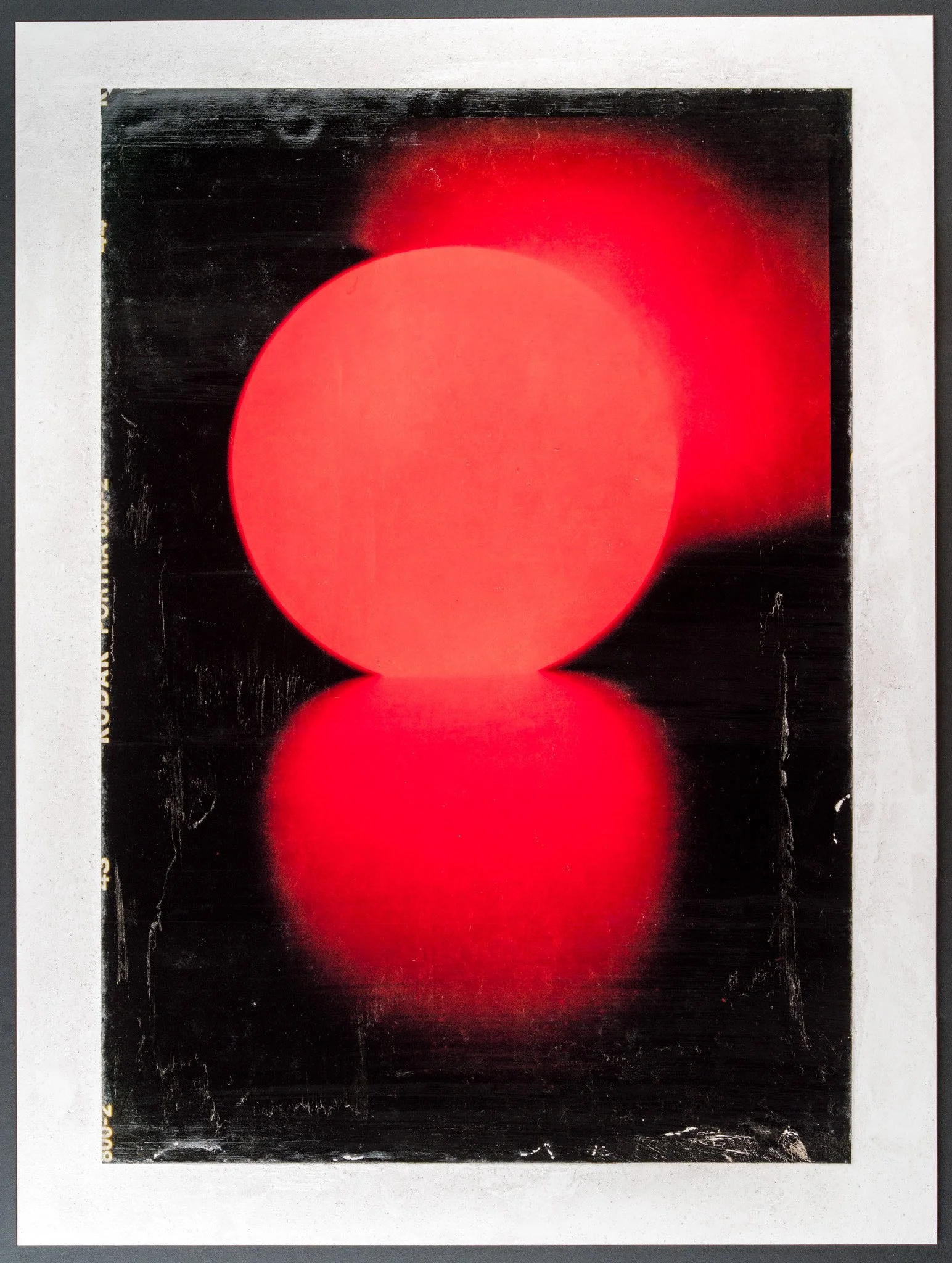
Orb: Twenty Flashes, Red, Aqueous (Pigment Ink Transfer to Board)
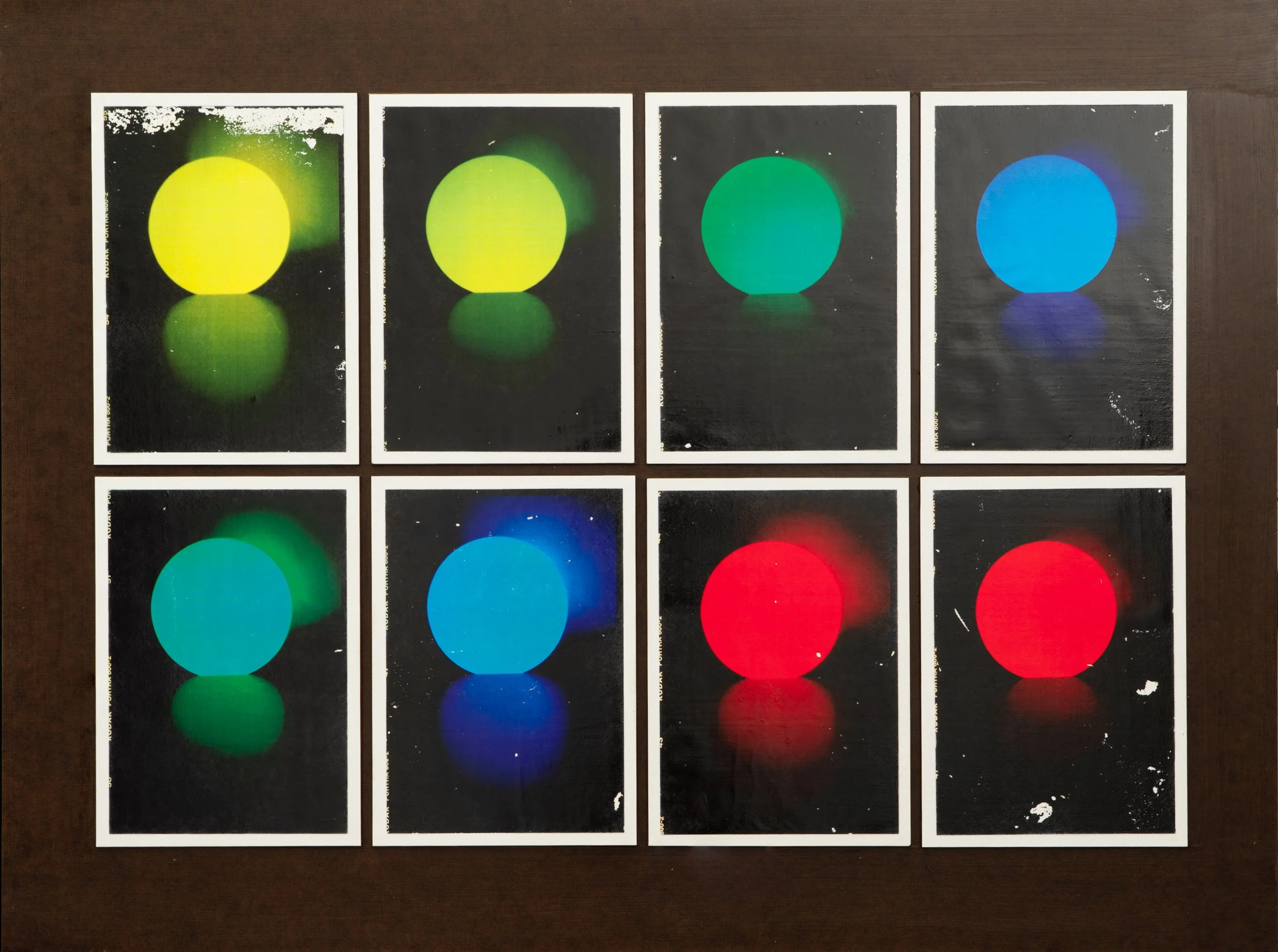
Orbs: Rebalanced, Fused (Laser Print Transfers to Board)
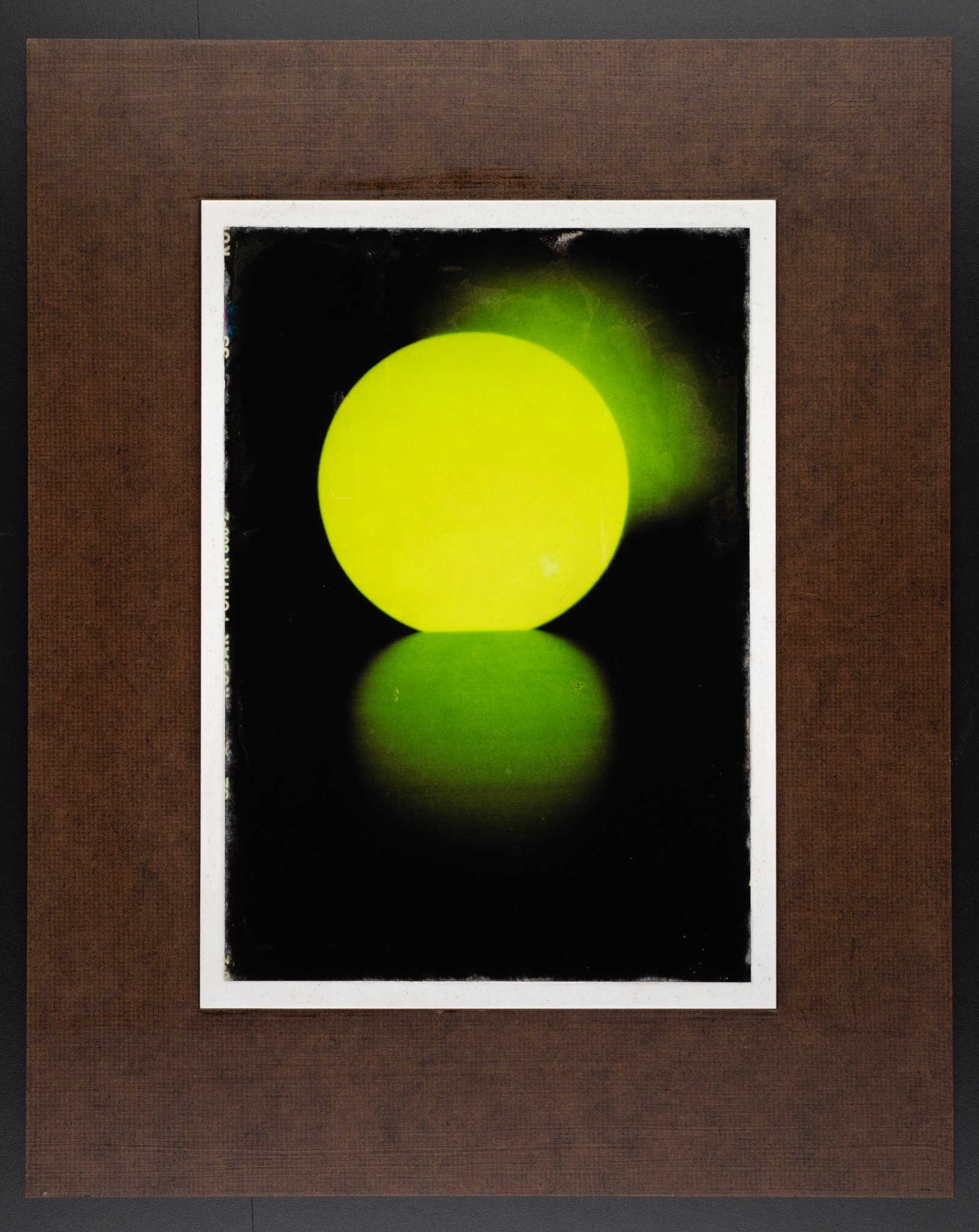
Orb: Five Flashes, Yellow, Aqueous (Pigment Ink Transfer to Board)
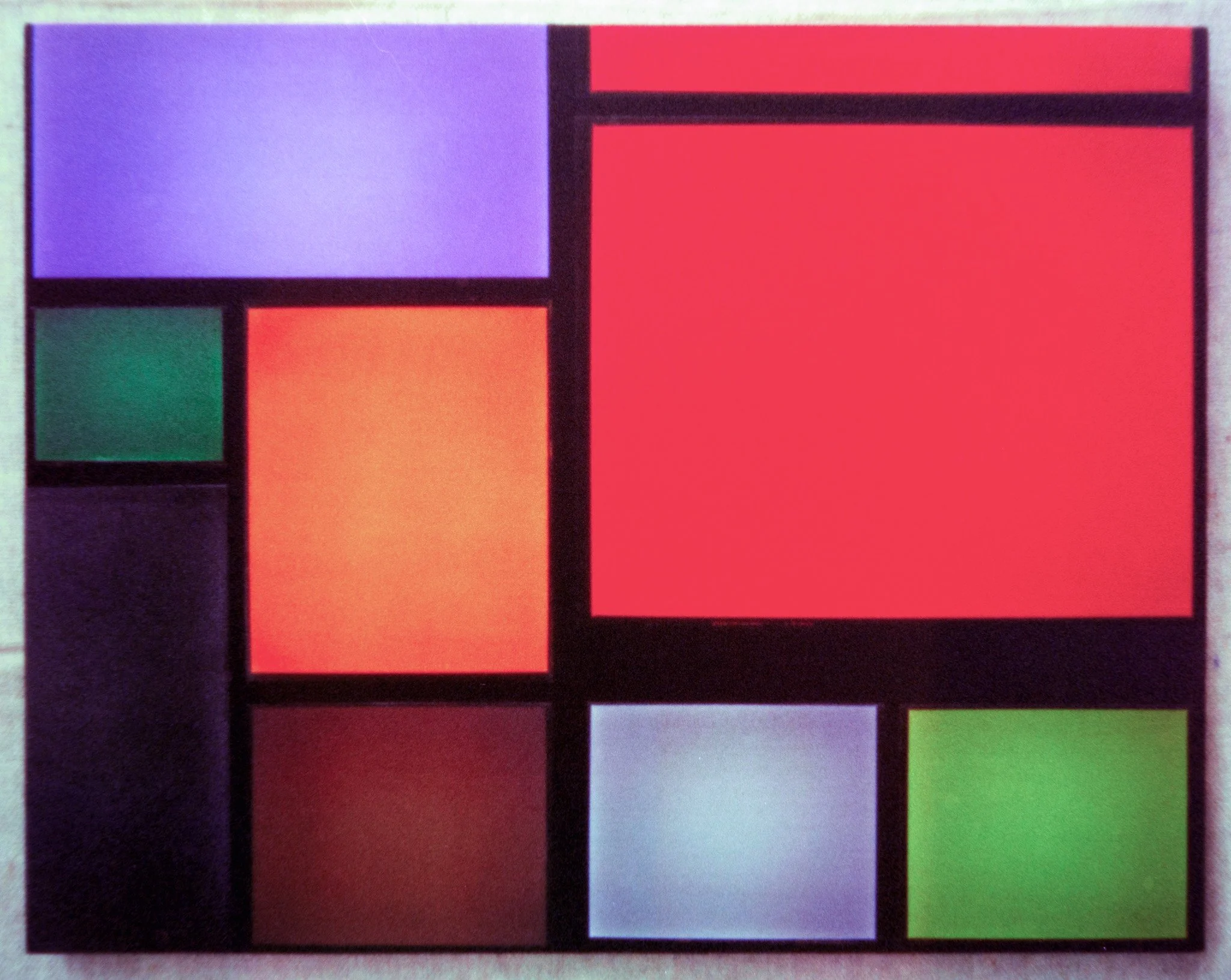
Managed Tension (Metal Print of Pinhole Photography)
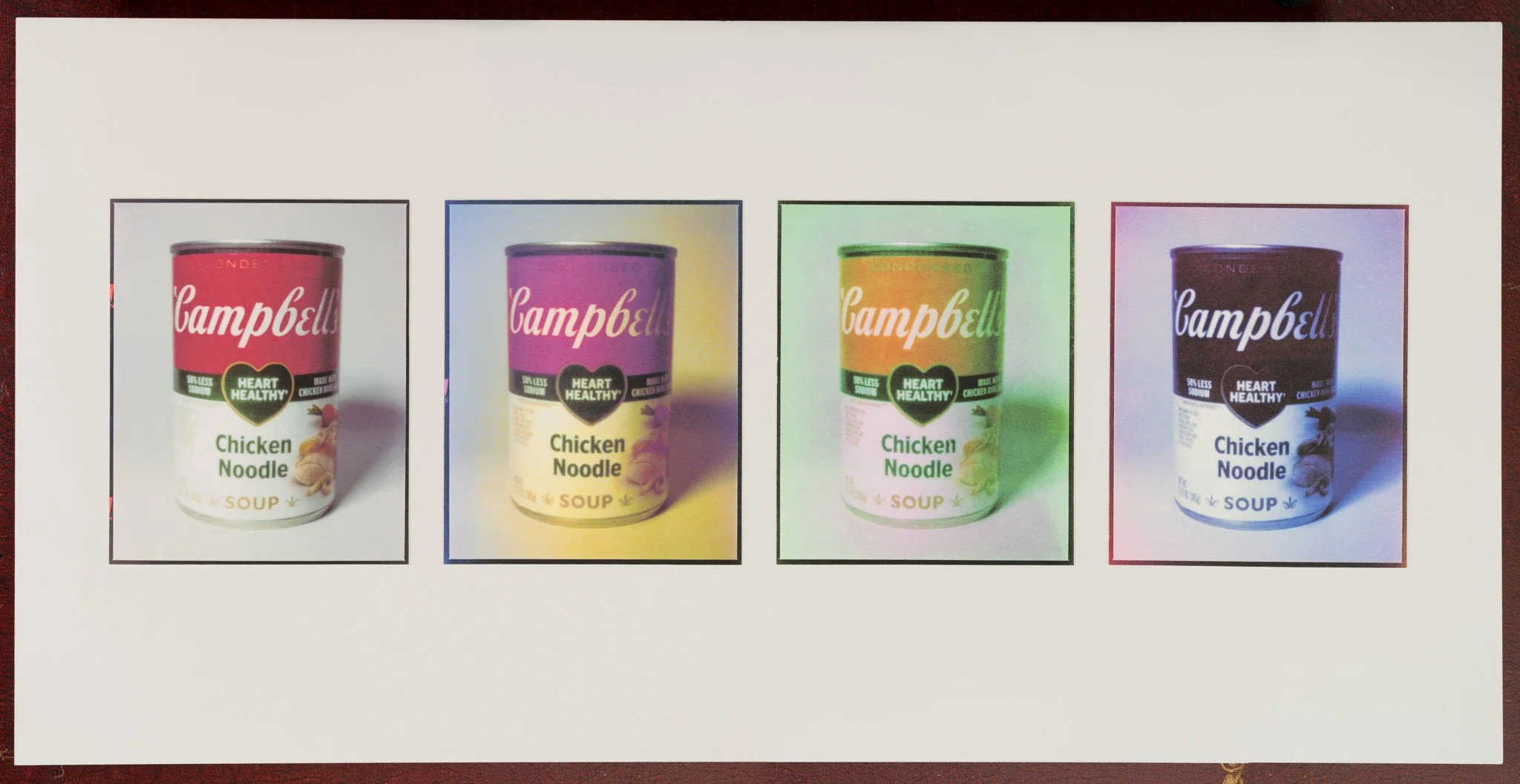
Reactions Altered 1 (Inkjet Print on Watercolor Paper on Board)
Exhibitions
“Paradigms, Aqueous”, “Twenty Flashes, Blue, Aqueous” and “Five Flashes, Yellow, Aqueous“ at Mixed Media Narratives, Alternative Photographic Arts Group exhibition, Mayo Performing Arts Center, Starlight Gallery, September 8 to October 4, 2026
“Rebalanced, Fused” at Members Exhibit, Visual Arts Center of New Jersey, September 3 to September 11, 2026
“Managed Tension” and “Reactions Altered 1“ at Altered Narratives Exhibit, Mayo Performing Arts Center, Starlight Gallery, April 14 to May 17, 2026
“Managed Tension” and “Reactions Altered 1” at Art House by Early Burdz, New York City, March 27, 2026
Artist Statement for Looking Deeper: Emerging Concepts
Art driven by ideas and focused on perception.
"Looking Deeper" begins with recognition.
Each work starts from something the viewer already recognizes. Sometimes it is an image from art or popular culture. Sometimes it is a familiar object or form. These starting points are intentional. They give the viewer an immediate way in.
Starting from there, the journey begins and the work emerges.
Each piece develops through a chain of physical stages, which can include pinhole photography, image transfer, color transformation, chance, and reconstruction. Pinhole photography plays a key role in capturing an image, but its place in the chain changes from work to work. Sometimes it is the beginning, sometimes the end, and sometimes a passage in between. When an image is transferred into a new surface, the transfer becomes the printing process itself, and the work exists as a singular object rather than a copy.
Many of the tools used to create the work are self-constructed. Building these systems allows the means of seeing, including decisions about perspective and the visible presence of the film itself, to become part of the artistic process.
Meaning is not imposed at the start. It emerges as the work develops. Tension, imbalance, and unexpected relationships surface, often revealing ideas that were not part of the initial intent.
A familiar image becomes unstable.
A structured composition develops friction.
A controlled system produces unpredictable outcomes.
These transformations are not corrections. They are the work.
The viewer follows a similar path. Recognition comes first, then disruption, then interpretation. What begins as something known becomes something else.
To look deeper is not just to analyze the image, but to witness how meaning forms through reference, process, and change.